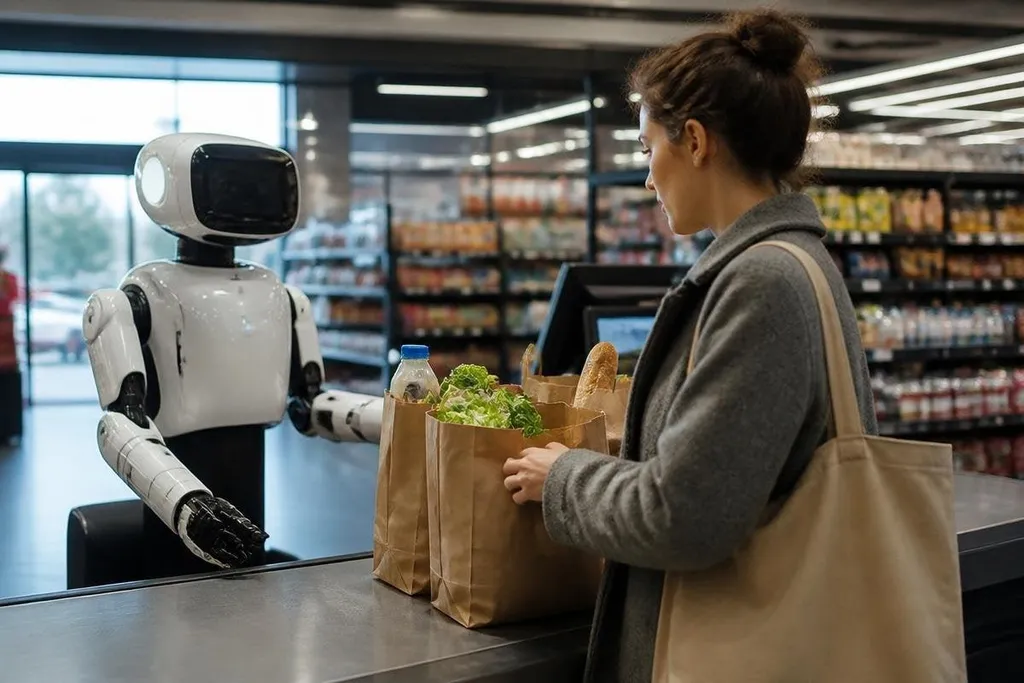
An autonomous shopping assistant could compare products, build a basket, and place an order from a short instruction. The hard part starts after the search: deciding what the assistant may buy without asking you again.
- The useful task: turn a goal into a basket, not only a product list
- The safety limit: keep final approval with the buyer
- The open issue: retailers must expose clear prices, stock, delivery, and return data
What the assistant would actually do
You might tell an assistant that you need a replacement air filter, a week of basic groceries, or a laptop for a fixed budget. The software would read the request, compare product data, check your saved preferences, and suggest a basket.
That process joins several familiar systems. A language model handles the request in plain words. Search tools find products. A rules engine checks limits such as price, size, delivery date, or brand. Payment software waits for approval before placing the order.
The useful change comes from linking those steps. A search page gives you choices. An autonomous assistant could carry one choice into the basket, check it against your rules, and ask about the part that remains unclear.
That last step matters because shopping requests often leave out details. “Buy a printer” says nothing about ink cost, paper size, connection type, or delivery date. A safe assistant needs to spot the missing choice instead of guessing silently.
The basket is harder than the search
Product search works best when the request is narrow. Shopping decisions get harder when several needs compete. A lower price may mean slower shipping. A cheaper appliance may use more power. A substitute product may fit the budget but fail the size requirement.
An assistant should show those trade-offs beside the proposed basket. You need to see the item, total price, delivery estimate, seller, return terms, and any reason the system chose that product.
Its software also needs a record of its actions. It should show which products it checked, which rules it applied, and what changed after stock or price updates. That record gives you a way to correct a bad choice before money leaves your account.
For robotics readers, this is a useful area to watch because autonomous shopping joins software agents with physical logistics. The assistant may choose a product, but a warehouse robot, delivery robot, or automated store system still has to move it through the real world.
A shopping assistant can choose an item, but its advice fails when stock data is wrong or the delivery handoff breaks. Robot24's reporting on shopping robots can connect that software choice to the machines and tests behind it.
Where trust can fail
A shopping assistant can make a wrong choice without making a technical error. It may follow your written budget while missing a preference that you assumed was obvious. It may also favor a product because the available data is incomplete or presented in a way the software reads badly.
Retail data creates another limit. The assistant needs current stock, accurate prices, shipping terms, seller identity, and return rules. If one of those fields is missing, the system should mark the gap and ask you to decide.
Privacy adds a separate question. To make useful choices, an assistant may need access to past orders, payment details, delivery addresses, and household preferences. Those permissions should be narrow, visible, and easy to remove.
The strongest opposing view is that extra approval steps remove the time savings. That is fair for low-cost repeat purchases, where you may want an approved rule to run without a prompt. For unfamiliar products or large payments, the saved time is worth less than a clear check before purchase.
A practical buying rule
If you test an autonomous shopping service, judge the control system before the product suggestions. Check these points:
- Set a spending ceiling that the assistant cannot cross.
- Keep approval on for new sellers, unusual products, and high-cost orders.
- Read the reason for each suggested item before it enters the basket.
- Check the data date for price, stock, shipping, and returns.
- Review account access and remove permissions the service does not need.
I'd use an assistant for repeat purchases first, then widen its access only after its choices are easy to inspect.
The next test is simple: can the assistant explain every item in a basket, show the data behind the choice, and stop at the exact point where your judgment is needed? Until it can, the human should remain the final checkout step.